 delishing
How to Bake Classic Southern Cornbread in a Cast Iron Skillet

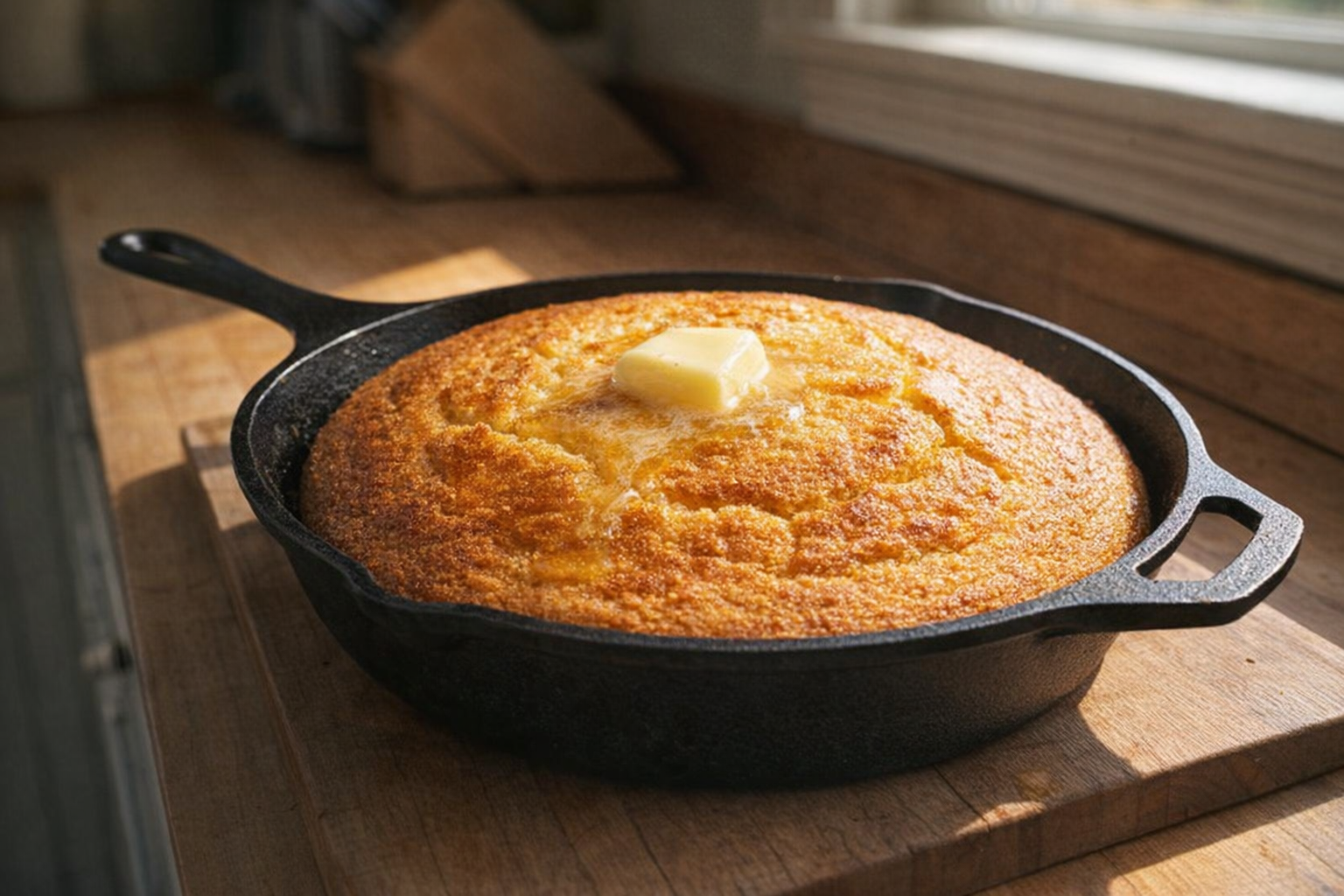
Cornbread, especially the Southern variety, offers a unique balance of savory and slightly sweet flavors, with a satisfyingly crumbly texture and a golden crust. Baking it in a cast iron skillet isn't just about tradition; it's about achieving an evenly cooked interior and a perfectly crisp exterior that elevates this simple bread to something truly special. This method allows the crust to become deeply caramelized, offering a delightful contrast to the soft inside.
This guide will take you through the process of making classic Southern cornbread, focusing on the techniques that ensure a moist, flavorful, and perfectly textured result. We'll explore ingredient selection, the importance of a properly seasoned skillet, and the nuances of baking that turn a humble batter into a comforting classic.
Understanding Cornmeal
The foundation of any good cornbread is, of course, cornmeal. But not all cornmeal is created equal. Stone-ground cornmeal, which retains more of the corn kernel's natural oils and nutrients, offers a richer, more robust flavor. Look for cornmeal that's coarsely ground for a slightly rustic texture, or finely ground for a smoother, more delicate crumb. White cornmeal is often preferred in Southern cornbread for its subtle sweetness, while yellow cornmeal provides a more pronounced corn flavor and a vibrant color. Avoid cornmeal that appears pale or smells musty; it should have a fresh, clean aroma. When purchasing, opt for smaller quantities to ensure freshness, as cornmeal can become stale over time.
Why Cook Cornbread This Way?
- Versatility: Cornbread complements a wide range of dishes, from hearty stews and chilis to barbecued meats and simple salads.
- Flavor: Baking in a cast iron skillet enhances the cornbread's natural flavors, creating a crispy, caramelized crust that's unmatched by other baking methods.
- Convenience: With just a few pantry staples and a reliable skillet, you can whip up a batch of cornbread any time you crave a taste of Southern comfort.
Preparation (Mise en Place)
Before you begin, ensure all your ingredients are at room temperature. This helps them combine more evenly, resulting in a smoother batter and a more consistent bake.
- Preheat your cast iron skillet in the oven while it preheats. This is crucial for achieving that signature crispy crust.
- Measure out all your ingredients precisely. Baking is a science, and accuracy is key to success.
- Whisk together your dry ingredients in one bowl and your wet ingredients in another. This prevents overmixing and ensures a tender crumb.
Essential Tools
- Cast Iron Skillet (10-12 inch): A well-seasoned cast iron skillet is essential for even heat distribution and a perfectly crisp crust.
- Mixing Bowls: Use separate bowls for wet and dry ingredients to ensure proper incorporation.
- Whisk: A whisk is ideal for combining dry ingredients and for emulsifying wet ingredients.
- Measuring Cups and Spoons: Accurate measurements are crucial for consistent results.
The Cooking Method: Classic Southern Cornbread
This method focuses on a traditional approach, emphasizing the use of a hot skillet and simple ingredients for a truly authentic Southern cornbread experience.
Classic Southern Cornbread
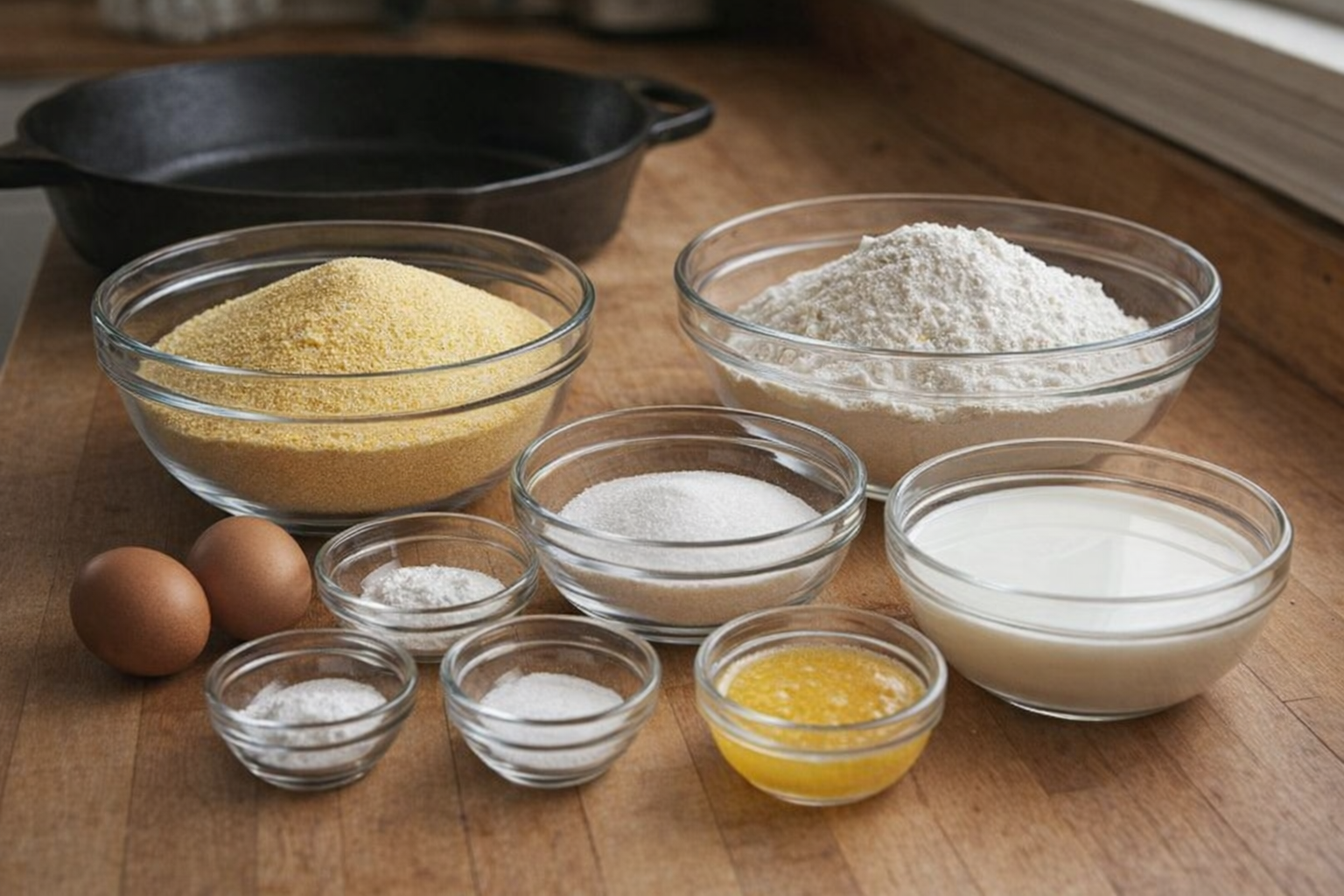
Ingredients:
- 1 cup (120g) Yellow Cornmeal
- 1 cup (130g) All-Purpose Flour
- 1 tablespoon Baking Powder
- 1 teaspoon Salt
- 1 tablespoon Granulated Sugar
- 1 cup (240ml) Buttermilk
- 1/4 cup (60ml) Vegetable Oil or Melted Shortening
- 1 Large Egg, lightly beaten
- Preheat your oven to 425°F (220°C). Place a 10-12 inch cast iron skillet in the oven to preheat as well.
- In a large bowl, whisk together the cornmeal, flour, baking powder, salt, and sugar. The mixture should appear uniform in color with no large clumps.
- In a separate bowl, whisk together the buttermilk, oil or shortening, and egg. The wet ingredients should be fully combined and slightly frothy.
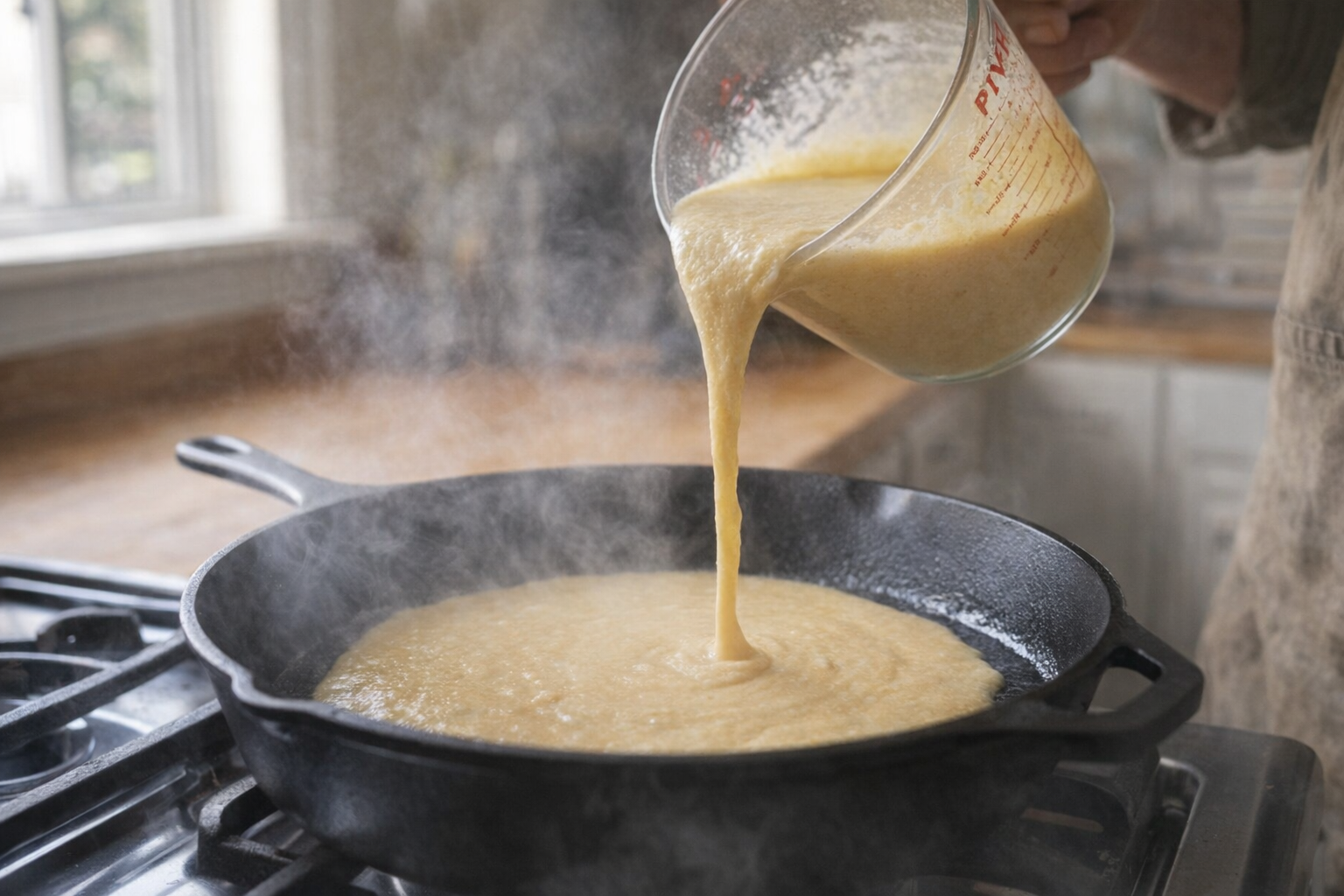
- Carefully remove the hot skillet from the oven. Place it on a heat-safe surface and add 1 tablespoon of oil or shortening to the skillet, swirling to coat the bottom and sides. Listen for a sizzle as the oil hits the hot pan.
- Pour the wet ingredients into the dry ingredients and stir until just combined. Be careful not to overmix; a few lumps are okay.
- Pour the batter into the hot skillet, spreading it evenly. The batter should sizzle immediately upon contact with the hot skillet.
- Bake for 20-25 minutes, or until the cornbread is golden brown and a toothpick inserted into the center comes out clean. The edges should be deeply browned and slightly pulling away from the sides of the skillet.
- Let the cornbread cool in the skillet for a few minutes before slicing and serving. This allows the cornbread to set slightly, making it easier to cut.
Cooking Time & Doneness Guide
- Bake Time: 20-25 minutes at 425°F (220°C).
- Internal Temperature: While not essential, an internal temperature of 200-205°F (93-96°C) indicates the cornbread is fully cooked.
Visual Cues
The cornbread should be golden brown on top and around the edges. A toothpick inserted into the center should come out clean. The sides should be slightly pulling away from the skillet.
Tips for Perfection
- Don't Overmix: Overmixing develops gluten, resulting in a tough cornbread. Mix just until the wet and dry ingredients are combined.
- Hot Skillet is Key: A preheated skillet is essential for a crispy crust. Don't skip this step!
- Use Fresh Ingredients: Fresh cornmeal and baking powder will yield the best results.
- Adjust Sweetness: Southern cornbread is traditionally less sweet than other variations. Adjust the sugar to your liking.
Storage & Reheating
- Storage: Store leftover cornbread in an airtight container at room temperature for up to 2 days, or in the refrigerator for up to 5 days.
- Reheating: To reheat, wrap the cornbread in foil and warm it in a 350°F (175°C) oven for 10-15 minutes, or until heated through. You can also reheat individual slices in a toaster oven or microwave.
Serving Suggestions
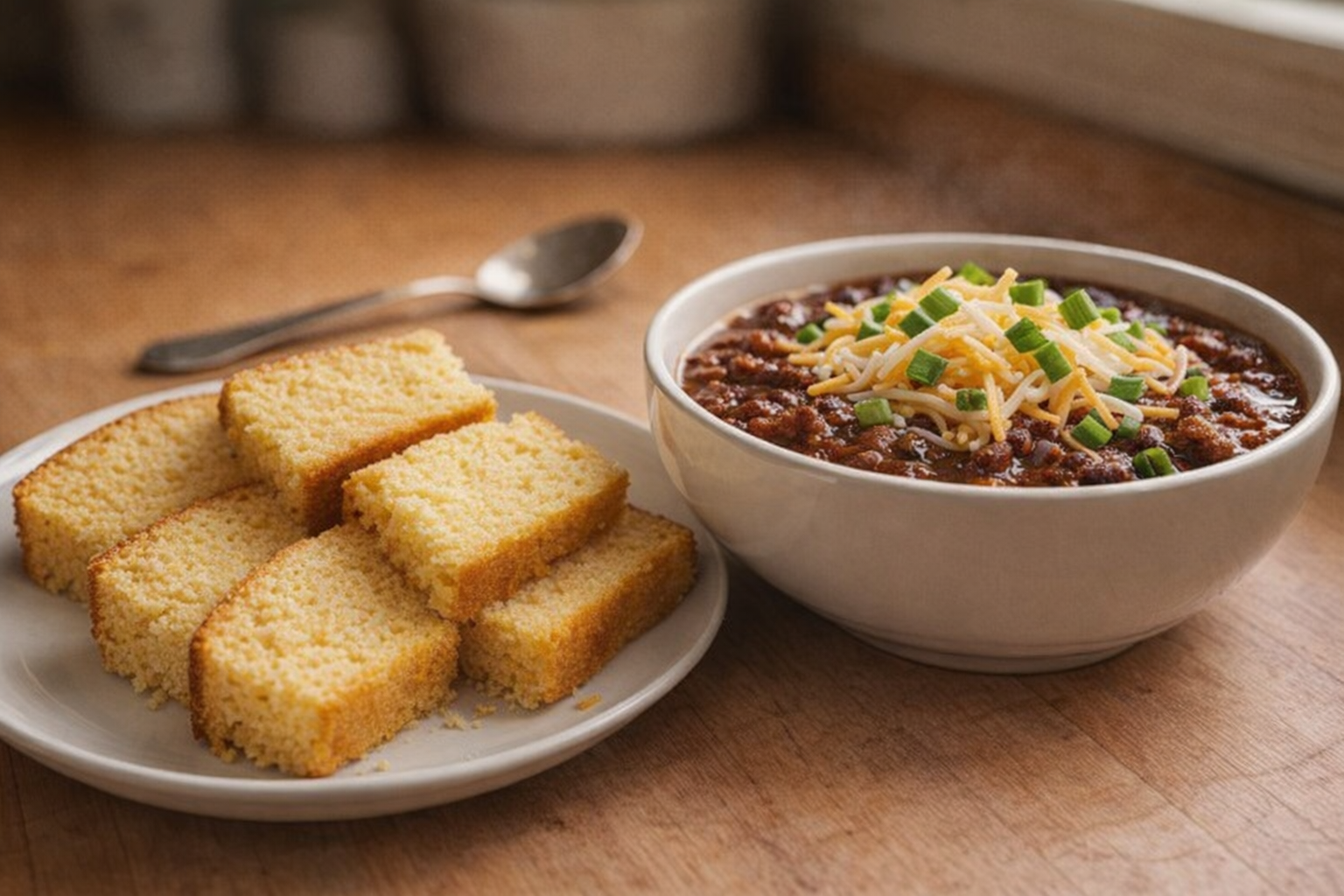
- With Chili: A classic pairing! Cornbread is the perfect accompaniment to a warm bowl of chili.
- With BBQ: Serve alongside barbecued ribs, pulled pork, or brisket for a true Southern feast.
- With Butter and Honey: Simple and delicious! A pat of butter and a drizzle of honey elevate the cornbread's natural flavors.
- As a Side Dish: Cornbread complements a variety of meals, from roasted chicken to vegetable stews.
💡 Pro Tips
- Preheat your cast iron skillet in the oven with a tablespoon of oil or butter before pouring in the batter to create a perfectly crisp, golden-brown crust.
- Use full-fat buttermilk to ensure the cornbread has a moist, tender crumb and the traditional tangy flavor profile characteristic of Southern recipes.
- Mix the wet and dry ingredients just until combined to avoid overworking the gluten, which keeps the texture light and crumbly rather than tough.
- Sift your cornmeal and flour together to remove any lumps and ensure an even distribution of leavening agents throughout the bread.
- Allow the finished cornbread to rest in the skillet for five to ten minutes after baking to let the structure set before slicing.
Frequently Asked Questions
While this recipe is for classic Southern cornbread, which primarily uses cornmeal, you can substitute up to 1/4 of the cornmeal with all-purpose flour. This will result in a slightly softer texture, but it's a good option if you're short on cornmeal or prefer a less crumbly cornbread.
While a cast iron skillet is ideal for achieving a crispy crust, you can use another oven-safe skillet or even a baking pan. Preheat the pan in the oven as you would a cast iron skillet, but keep a close eye on the cornbread as the baking time may vary.
Leftover cornbread should be stored in an airtight container at room temperature for up to 2 days, or in the refrigerator for up to a week. To reheat, wrap the cornbread in foil and warm it in a low oven to prevent it from drying out.
Dry cornbread can be caused by overbaking or using too much cornmeal. Make sure to measure your ingredients accurately, and check the cornbread for doneness a few minutes before the recommended baking time. Adding a tablespoon or two of melted butter or oil to the batter can also help improve moisture.